
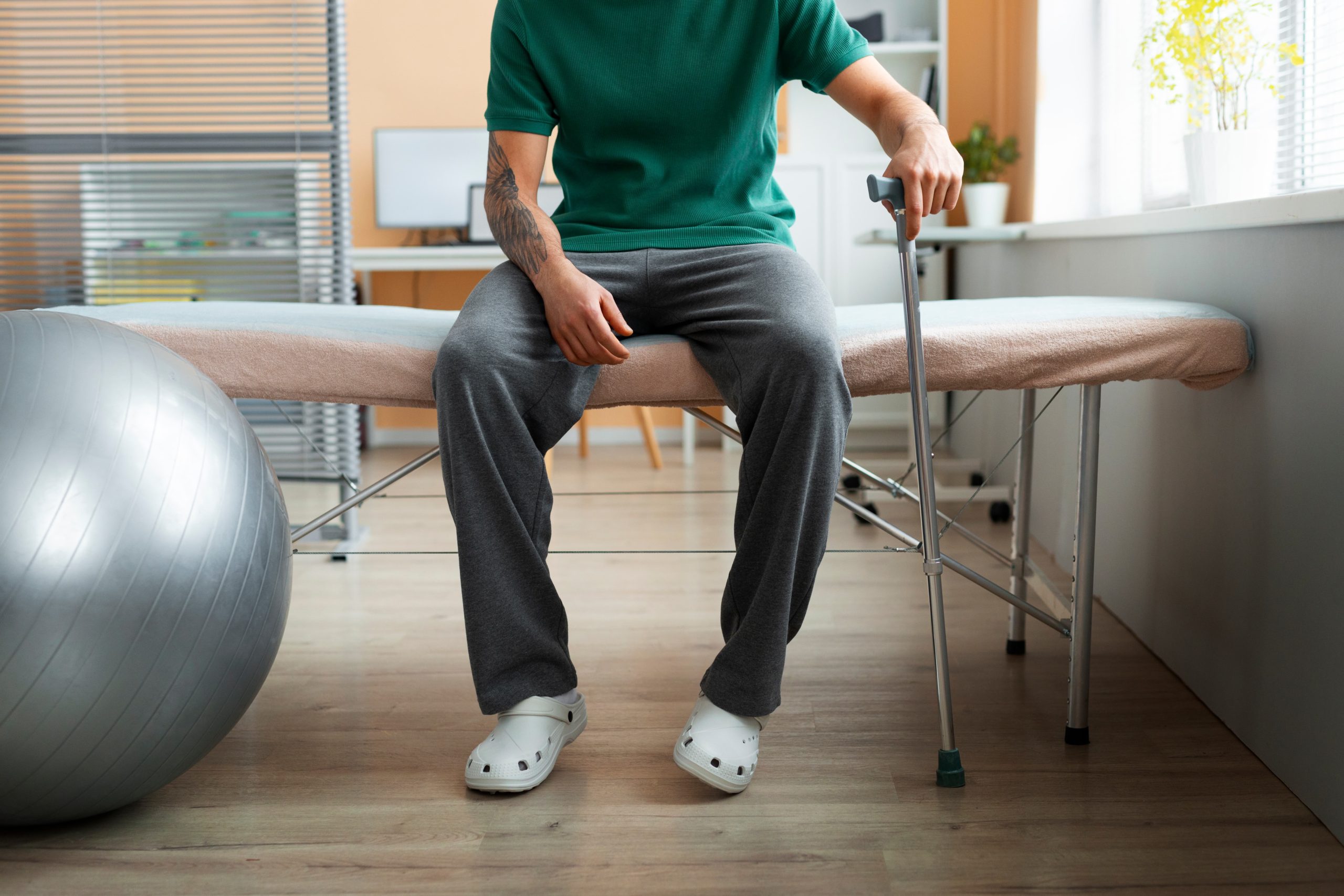
“Prizma” is a rehabilitation center for patients who have undergone endoprosthetics in Kyiv, where patients receive professional care in comfortable conditions. We know how to make your recovery after such surgery quick and effective.
Recovery after endoprosthetics: main goals and objectives
Rehabilitation after hip and knee replacement surgery, which is performed at our medical center, is designed to ensure:
- Reduction of pain, discomfort, swelling, and other unpleasant consequences of surgery.
- Restoration of gait, including without the use of crutches, canes, and other aids.
- Strengthening of muscle tissue. This will contribute to stable support of the operated joint, thereby minimizing the risk of complications and repeated injuries.
- Restoration of joint mobility. This is achieved through physiotherapy and is aimed at restoring the natural range of motion.
- Return of the patient to a full everyday life. This refers to the ability to return to work, active recreation, and sports.
Recovery after endoprosthetics is recommended to begin immediately after surgery. This minimizes potential risks and accelerates the restoration of lost functions.
Rehabilitation after joint replacement: main stages
Rehabilitation after endoprosthetics can be divided into several main stages:
- Early. Begins immediately after surgery in the hospital. Aimed at eliminating pain, swelling, and preventing potential complications, developing self-care skills in the patient, and teaching mobility.
- Late. Involves more intensive exercises designed to restore joint mobility, strengthen muscle tissue, and restore natural gait.
- Long-term. This is the final stage, which ensures that the achieved results are maintained and minimizes the likelihood of repeated dysfunction of the operated areas.
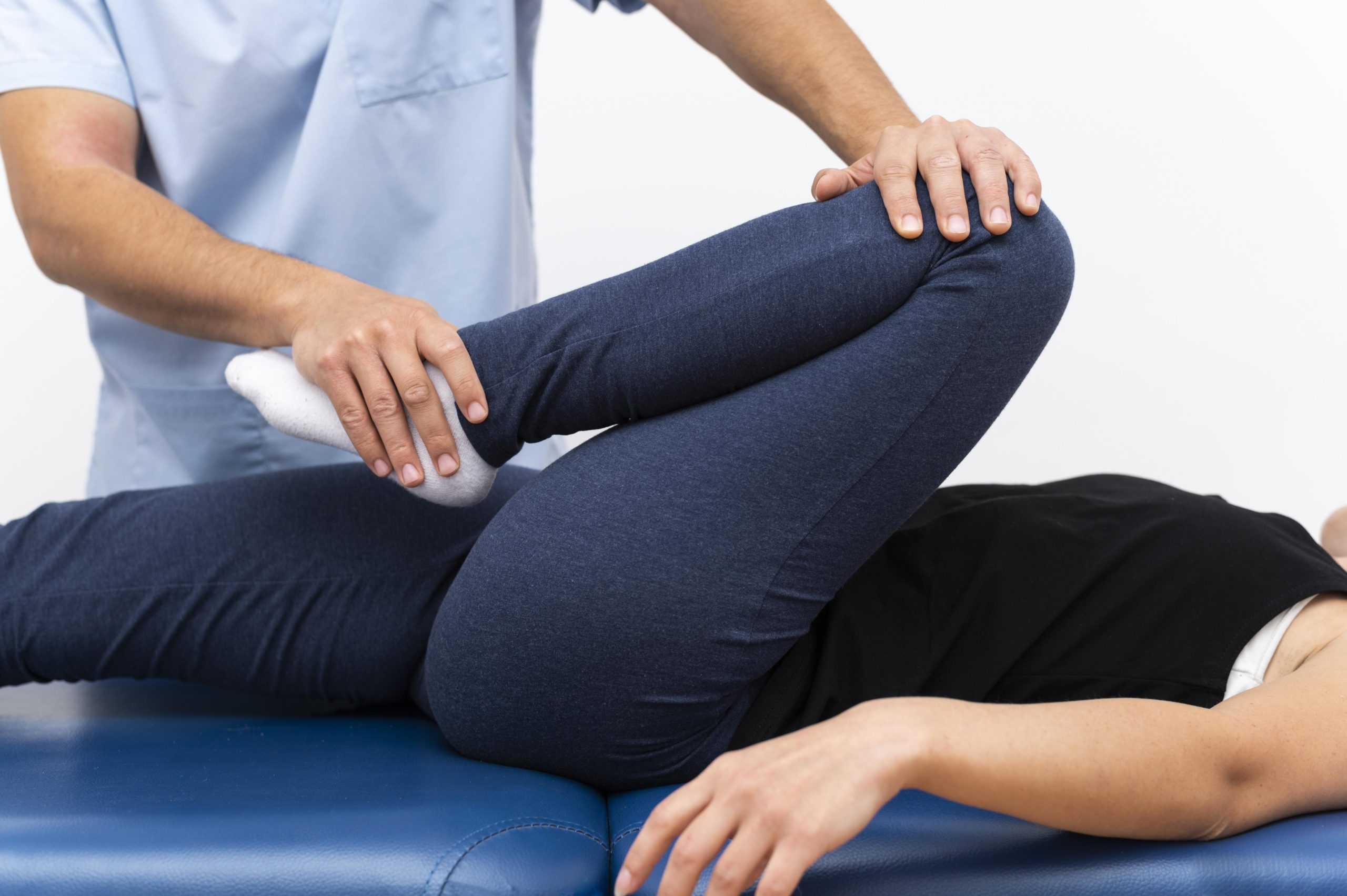
At our medical center, patients can undergo rehabilitation of the hip joint and knee at the late and remote stages of recovery. It is important to understand that achieving good results will require time, effort, and patience. The patient will have to make considerable efforts to avoid complications and regain comfortable mobility.
The duration of rehabilitation depends on age, goals, and effort. On average, it takes about 6 weeks. After this period, the patient begins to walk without crutches or a cane, but it usually takes 10-14 weeks to fully return to normal life.
Rehabilitation methods after endoprosthetics
At our medical center, rehabilitation after hip or knee replacement involves a comprehensive approach to each patient. We combine the following solutions:
- Sessions with occupational therapists. Aimed at restoring the ability to perform daily activities independently.
- Therapeutic exercise. Conducted by a rehabilitation physician and aimed at eliminating pain and restoring joint mobility.
- Apparatus physiotherapy. This includes electrostimulation, ultrasound, and pressotherapy. It reduces swelling, triggers regenerative processes in tissues, and improves local blood circulation.
- Restorative massage. It also promotes faster recovery of mobility and elimination of residual swelling. It is recommended to be performed no earlier than one and a half months after surgery.
Our doctors will select an individual rehabilitation program after hip and knee replacement surgery that will provide maximum effect in your case and minimize potential risks. The entire recovery process will be supervised by a doctor. They will monitor your progress and, if necessary, make changes to the program, adjusting the number of sets and exercises. This will ensure that the recovery process is effective, reliable, and fast.
How to enhance the effect of rehabilitation after endoprosthetics: key recommendations
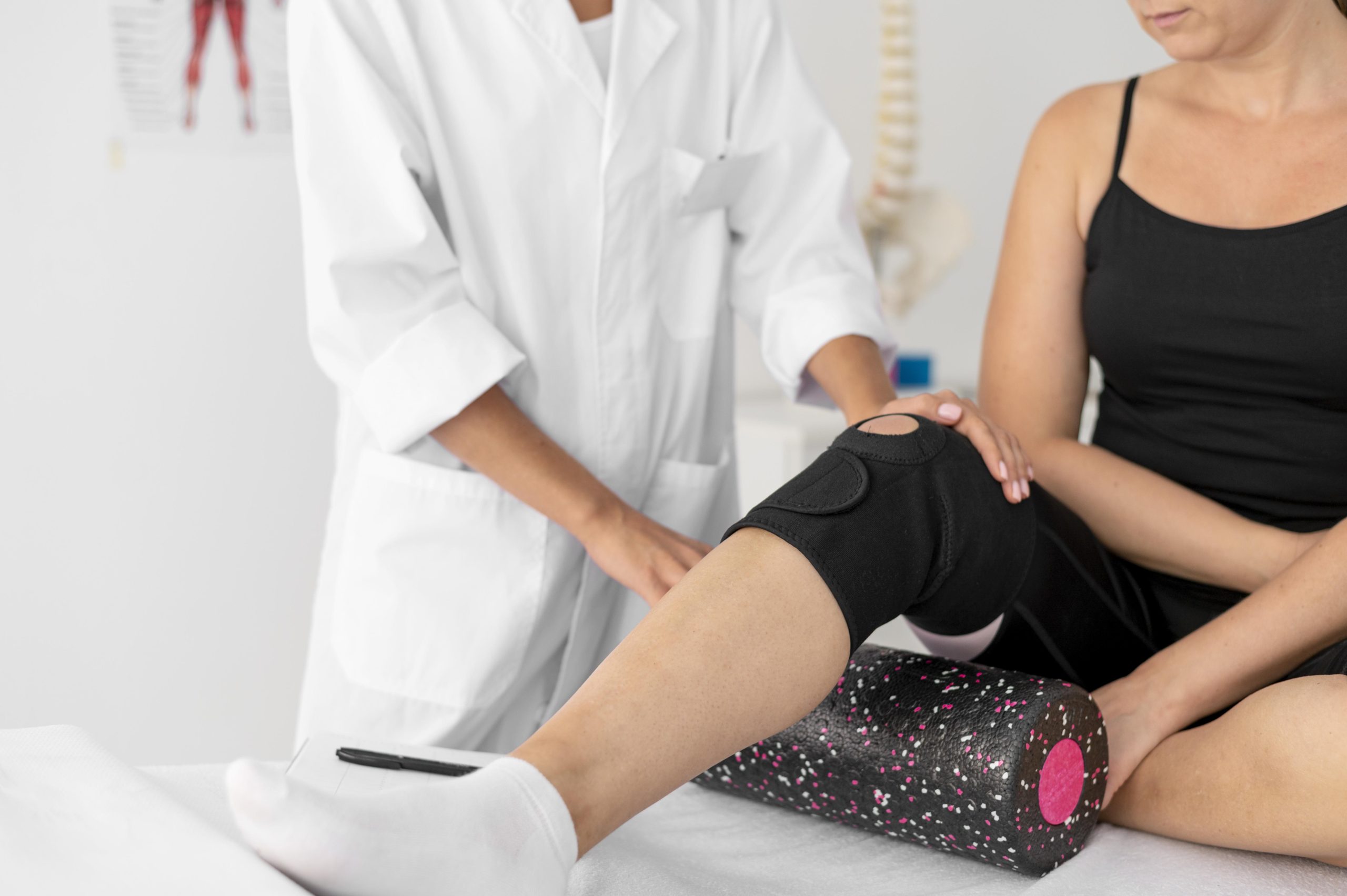
Unfortunately, any rehabilitation after joint surgery is a lengthy process that is particularly difficult for patients. You will have to learn how to walk and take care of yourself again. To speed up the process and minimize risks, it is important not only to attend classes regularly and follow all recommendations, but also to listen to additional recommendations from rehabilitation specialists:
- try to avoid blows, falls, i.e., injuries to the operated area;
- do not lie in the same position all the time: change it every 20 minutes;
- when sitting, do not cross your legs, thereby allowing your hips and feet to twist;
- periods of activity should always be followed by rest;
avoid bending your hips and knees at an angle greater than 90 degrees.
These basic tips will help prevent negative consequences after endoprosthetics and ensure the fastest possible recovery and return to a full life.
Effective rehabilitation after endoprosthetics at the Prizma Medical Center in Kyiv
Contact the doctors at our medical center for rehabilitation after hip or knee replacement surgery to receive truly competent and professional care. We offer:
- advanced rehabilitation techniques used in global practice;
- development of individual programs for each patient, taking into account their individual characteristics;
- comprehensive work involving all the specialists who will help ensure maximum results in each specific case;
- comfortable conditions, advanced technical and hardware equipment;
- comprehensive monitoring of the patient’s condition and rapid response to changes.
You can get more information about rehabilitation after joint replacement during consultations by phone, via online communication services, or during a personal visit to our medical center.
IMPORTANT: The information on this page is provided for informational purposes only. The decision on diagnosis and treatment is made by the doctor after consultation.


